Are you planning a trip to Istanbul? This captivating city, located at the crossroads of Europe and Asia, is a true meeting point of civilizations. It was the former capital of the Byzantine and Ottoman empires, and it enchants visitors with its extraordinary heritage, dynamic modernity, and unique atmosphere.
Between culture, history, and unforgettable experiences.
Are you planning a trip to Istanbul and wondering what to do there? Turkey’s cultural capital is full of treasures: majestic mosques, Ottoman palaces, bustling bazaars, bohemian neighborhoods, and unique views of the Bosphorus.
In one week, you’ll have time to explore both iconic sites like Hagia Sophia, the Blue Mosque, and the Grand Bazaar, as well as more hidden spots where history and modernity blend seamlessly.
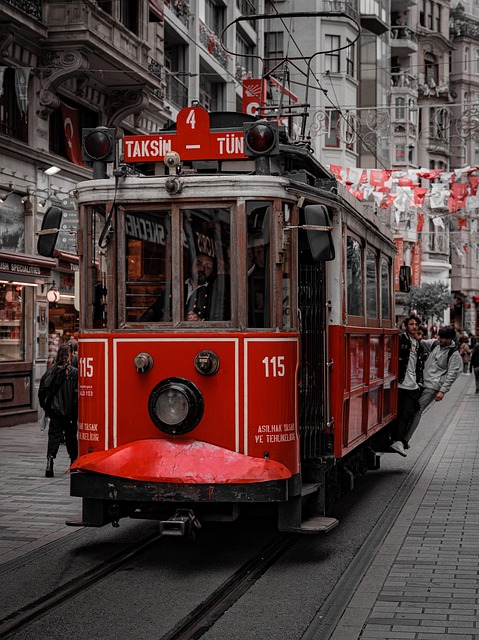
We visited Istanbul with our family in April. We explored the city entirely on foot without any problem, but it’s also easy to get around by tram, metro, or ferry.
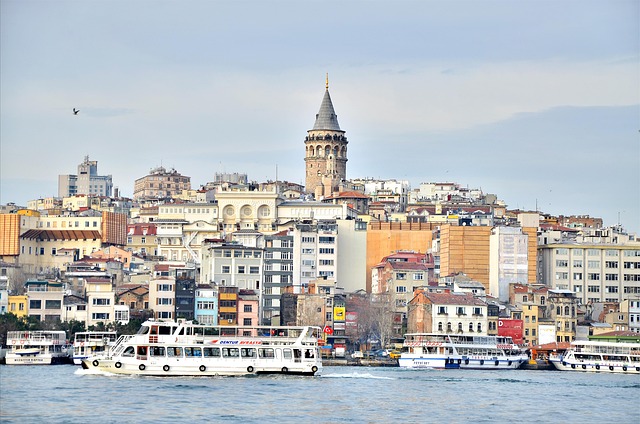
We had chosen to rent an Airbnb at the foot of the Galata Tower in the Beyoğlu district. The neighborhood is well located for exploring the city and is lively, with shops and restaurants. Nevertheless, we were not disturbed by noise in our accommodation.
Istanbul is home to more than 3,000 mosques, ranging from the most majestic to more modest ones. To visit, you must go outside prayer times and dress appropriately, covering shoulders and knees, with women wearing a scarf.
So, what to do in Istanbul whether you’re a couple or traveling with family?
What to do in Istanbul? Must-see monuments
Istanbul is a city full of nuances, where each district reveals a unique atmosphere. Here’s an overview of must-visit places.
European side, “Old” Istanbul
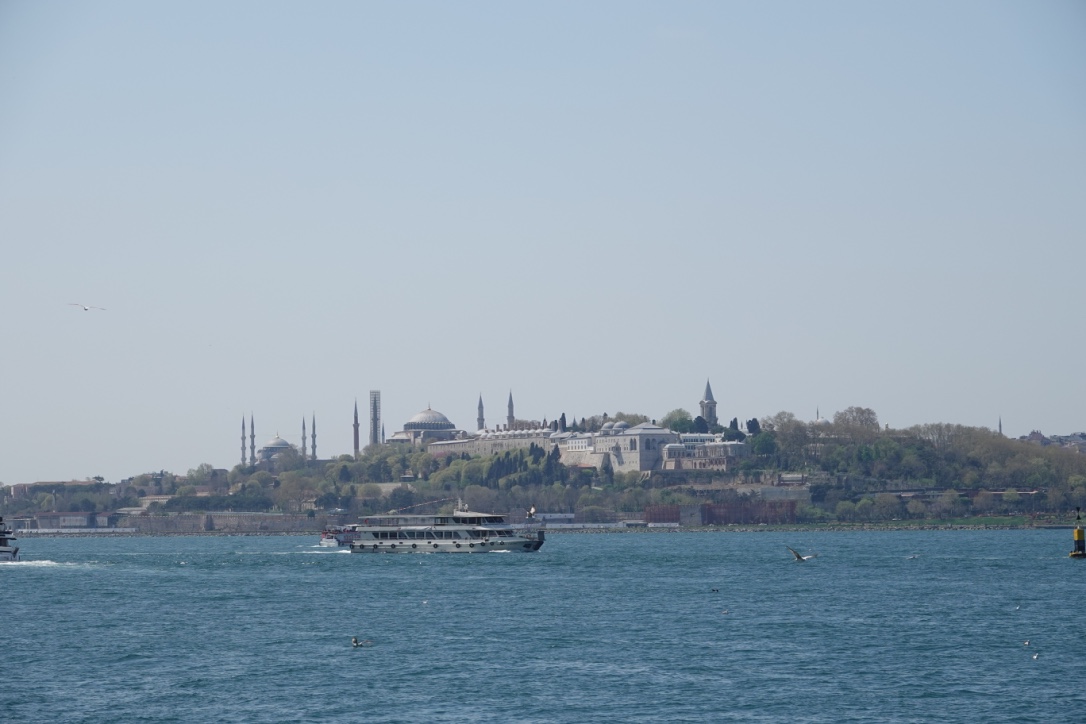
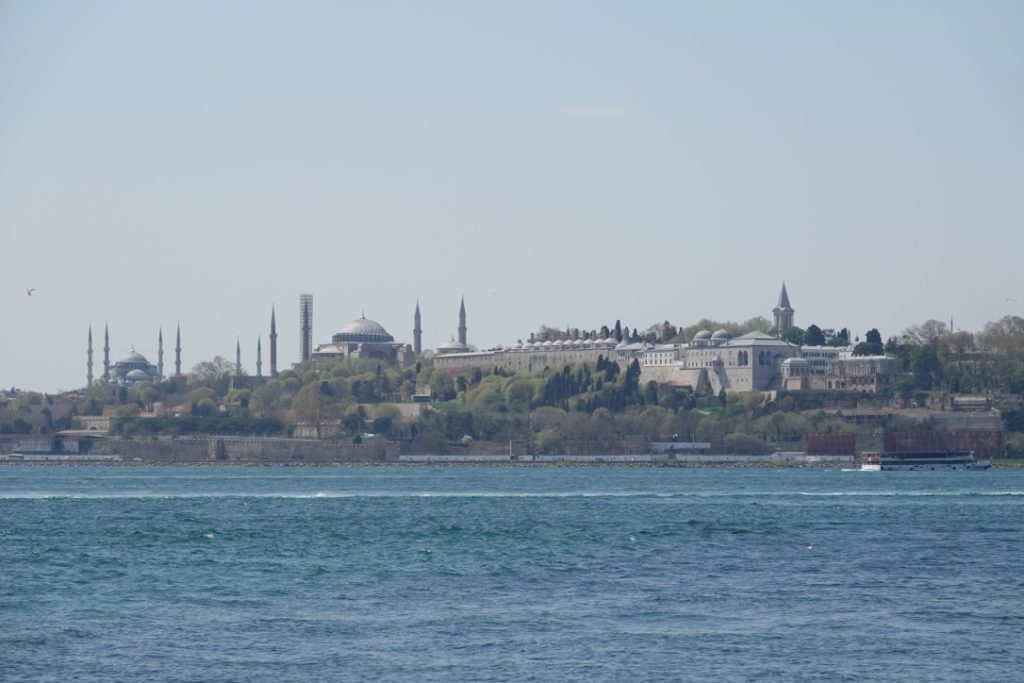
n the Sultanahmet district, history captivates you as soon as you step in. Centuries seem to stand still between the Blue Mosque and Hagia Sophia. You can easily imagine Byzantine emperors, Ottoman sultans, and all those who walked these streets before us.
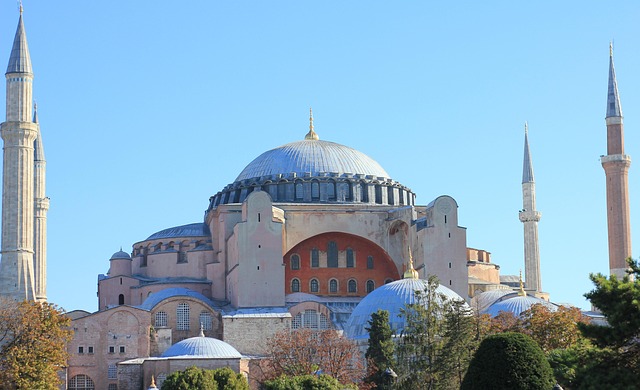
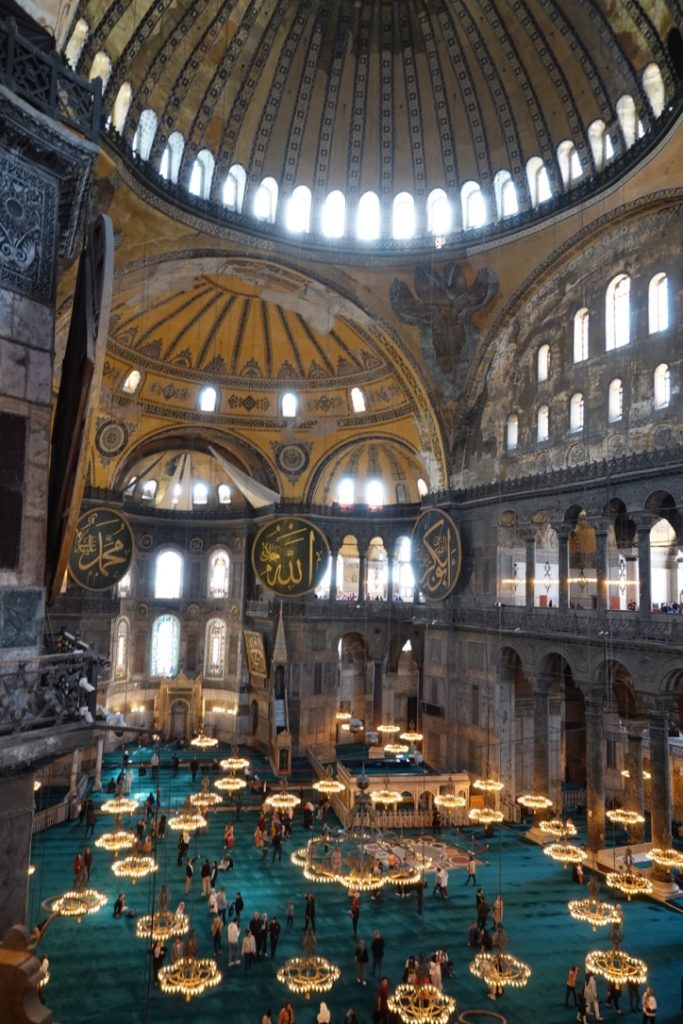
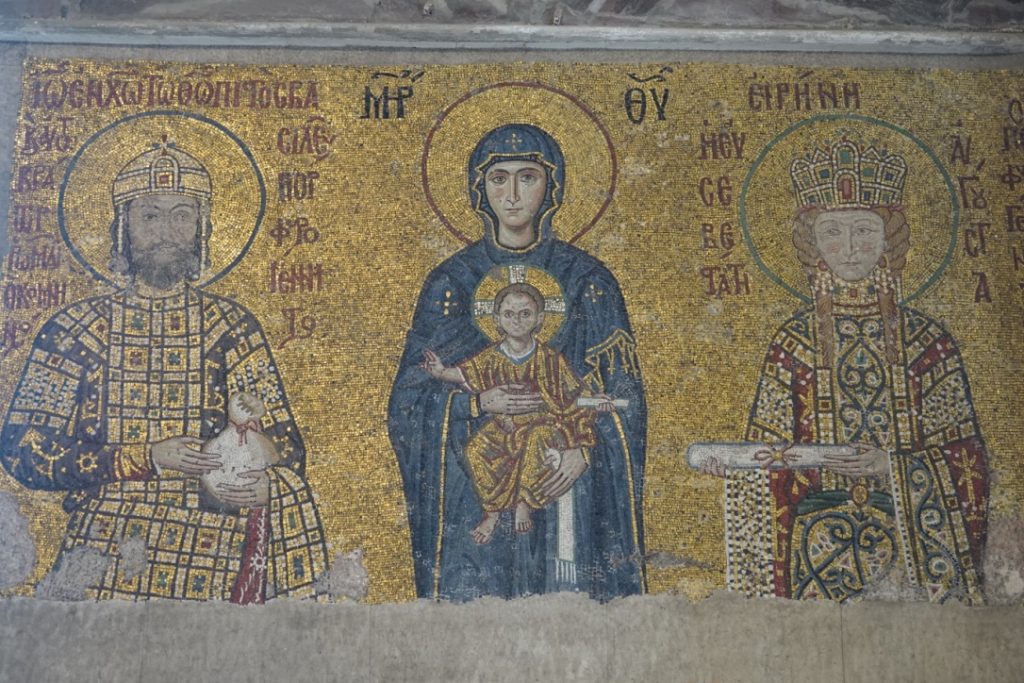
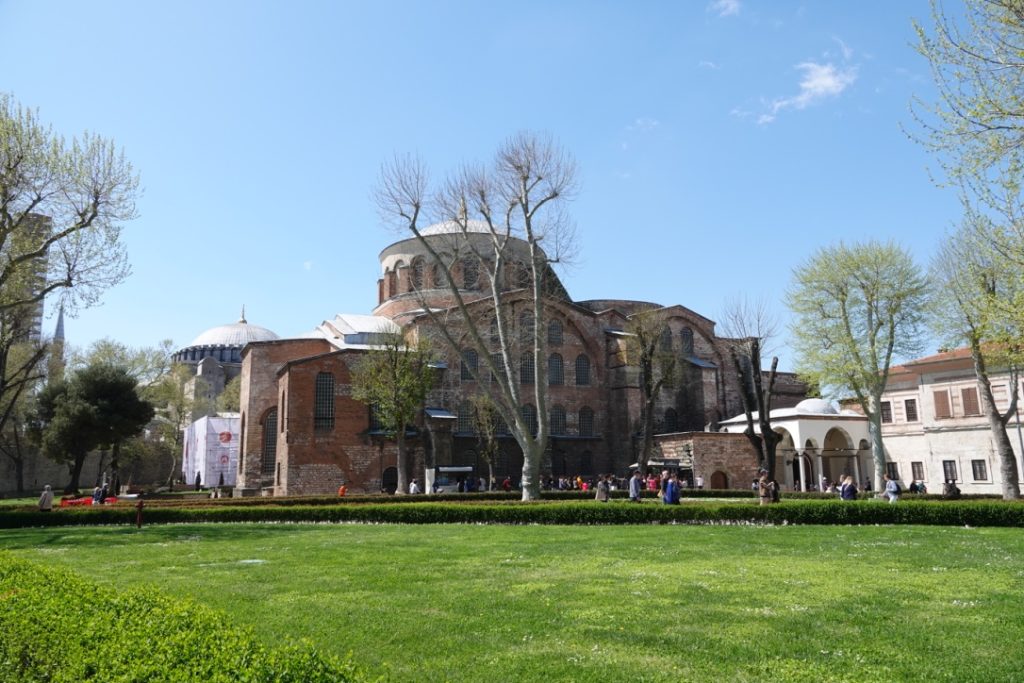
Picture yourself in Sultanahmet Square, standing between two giants that have faced each other for centuries. Hagia Sophia, massive, lies to the left, its golden Byzantine mosaics now complemented by Islamic calligraphy.
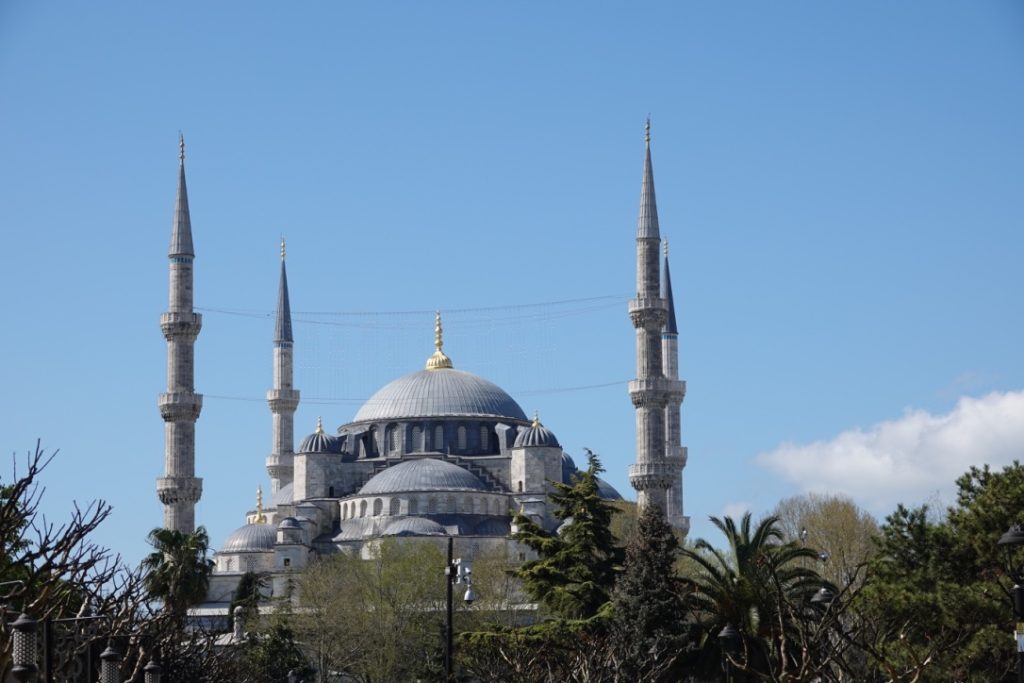
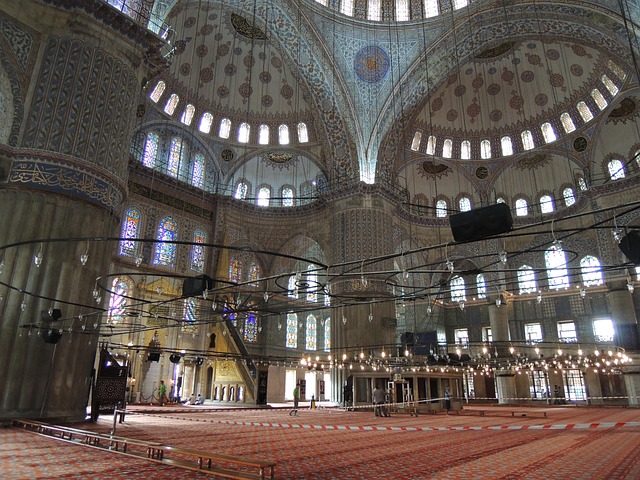
Opposite, the Blue Mosque stands gracefully, with six minarets rising majestically toward the sky. Visiting these sites allows you to feel the weight of history, the intersection of faiths, and the legacy of civilizations.
Since these monuments are just a short walk from each other, you can easily combine both visits in the same day. Entry to Hagia Sophia is paid, while the Blue Mosque is free.
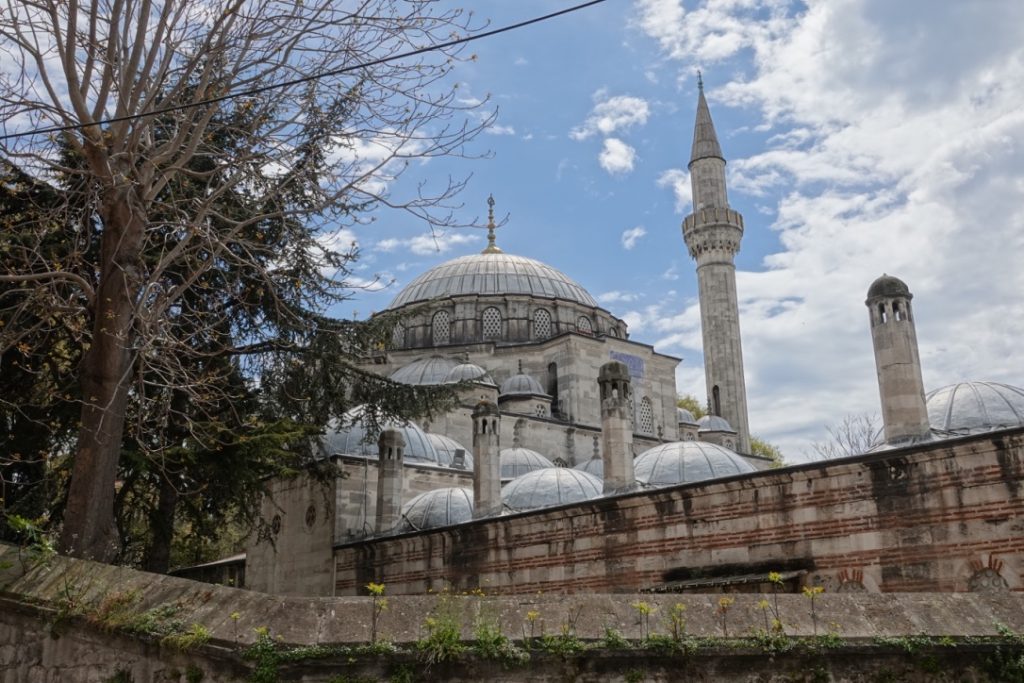
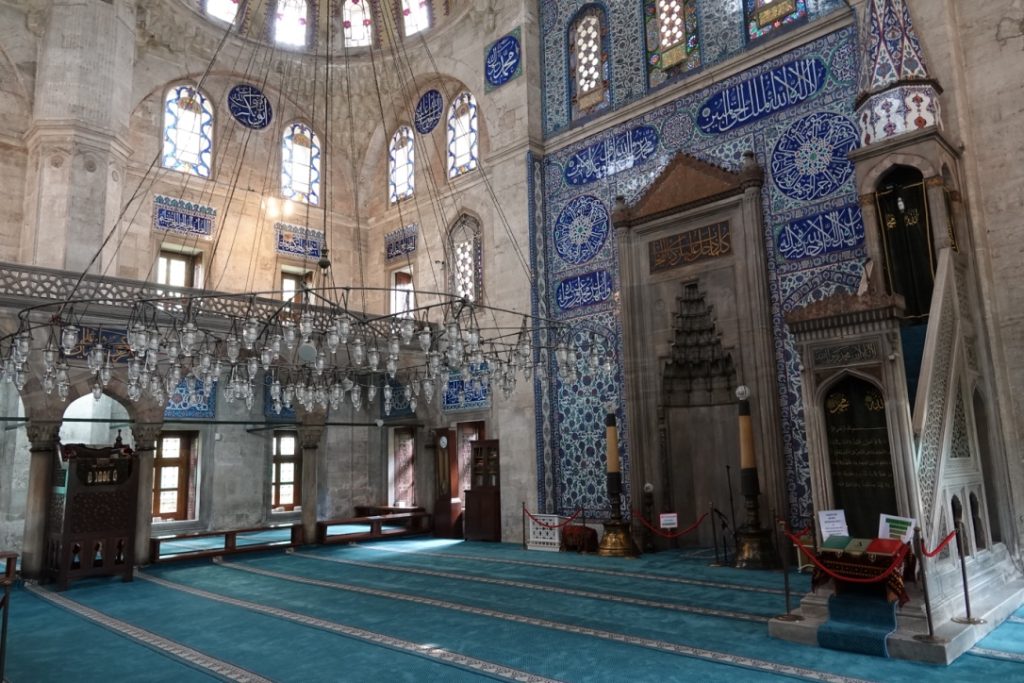
A little further away, the Sokollu Mehmet Pasha Mosque, a lesser-known masterpiece of Ottoman architecture designed by the talented Mimar Sinan, is tucked away on a quiet street. Here, there’s no overwhelming bustle, only tranquility and elegant details.
During our visit, we were lucky to have the place almost to ourselves, making the experience even more magical.
La Mosquée Sokollu Mehmet PashaLa Mosquée Sokollu Mehmet Pasha
Next, continue exploring the area with a visit to Topkapi Palace.
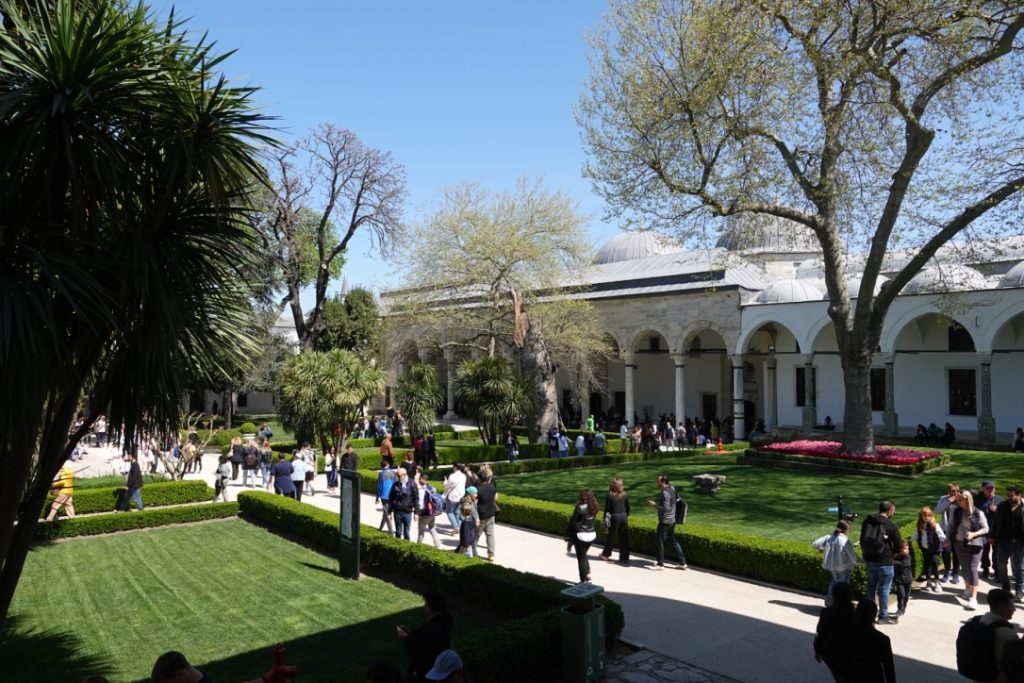
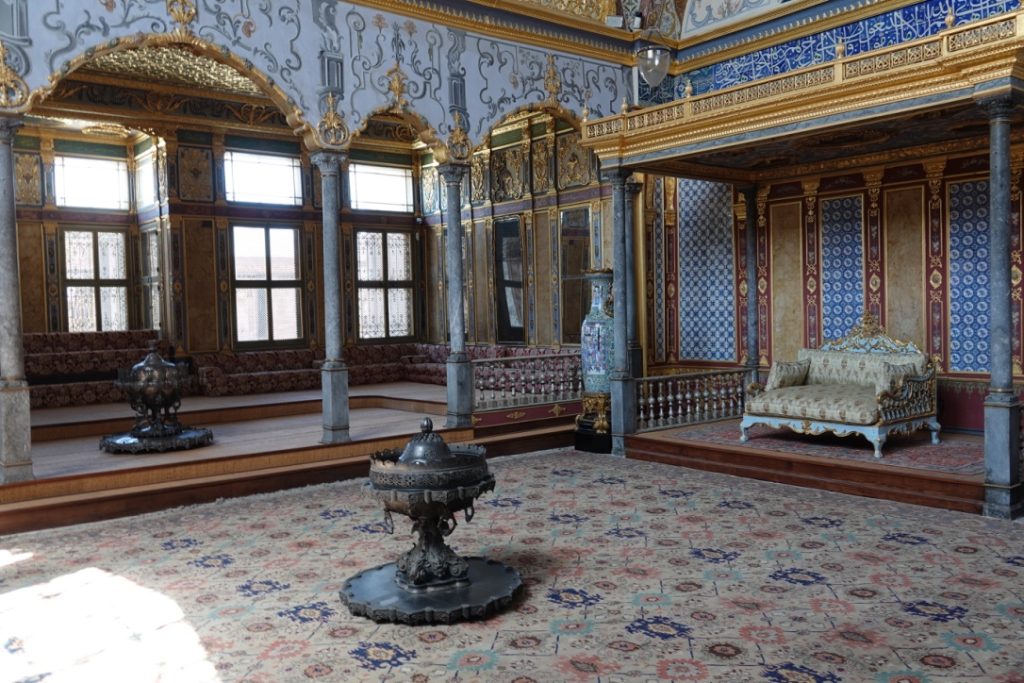
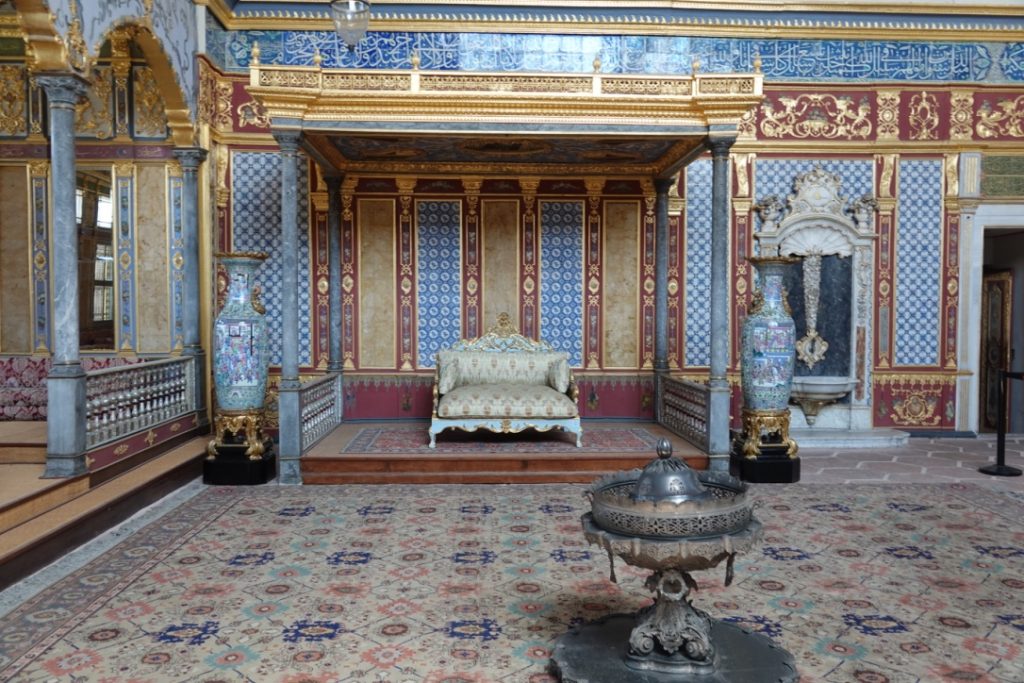
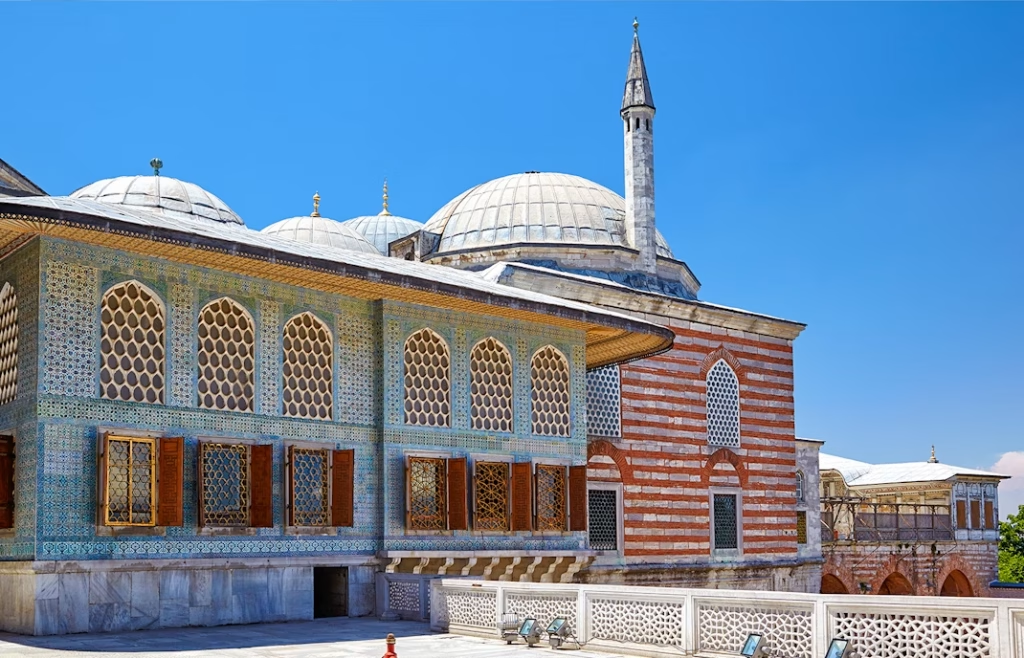
Step through the imposing gates of Topkapi Palace and immerse yourself in the opulent world of the Ottoman sultans. Flower-filled gardens, fine tableware, the harem rooms with mysterious stories… everything seems straight out of One Thousand and One Nights.
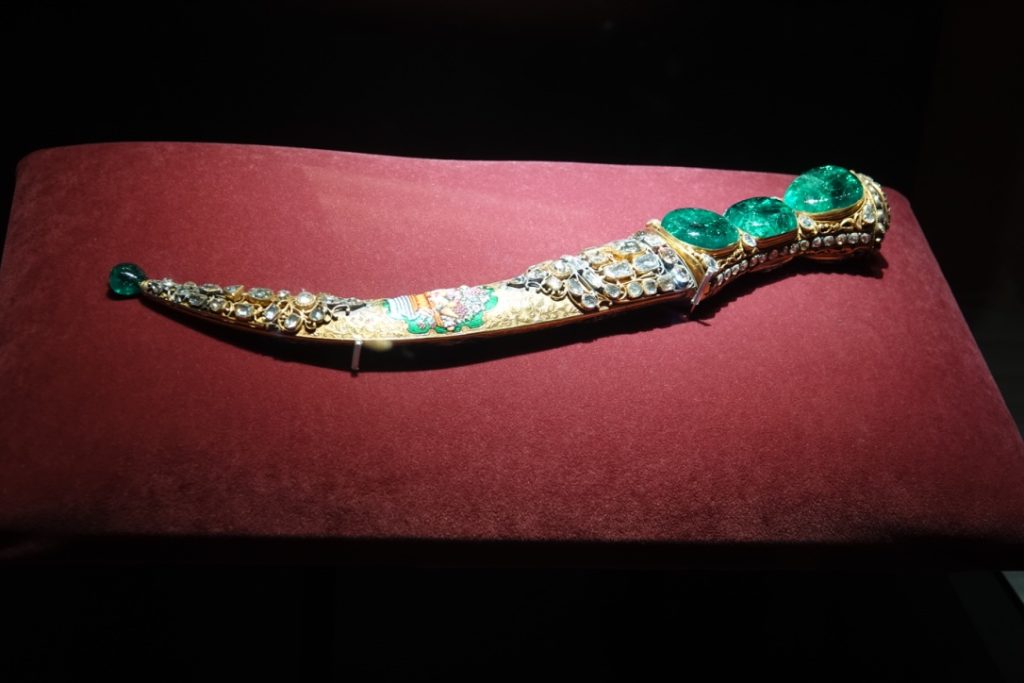
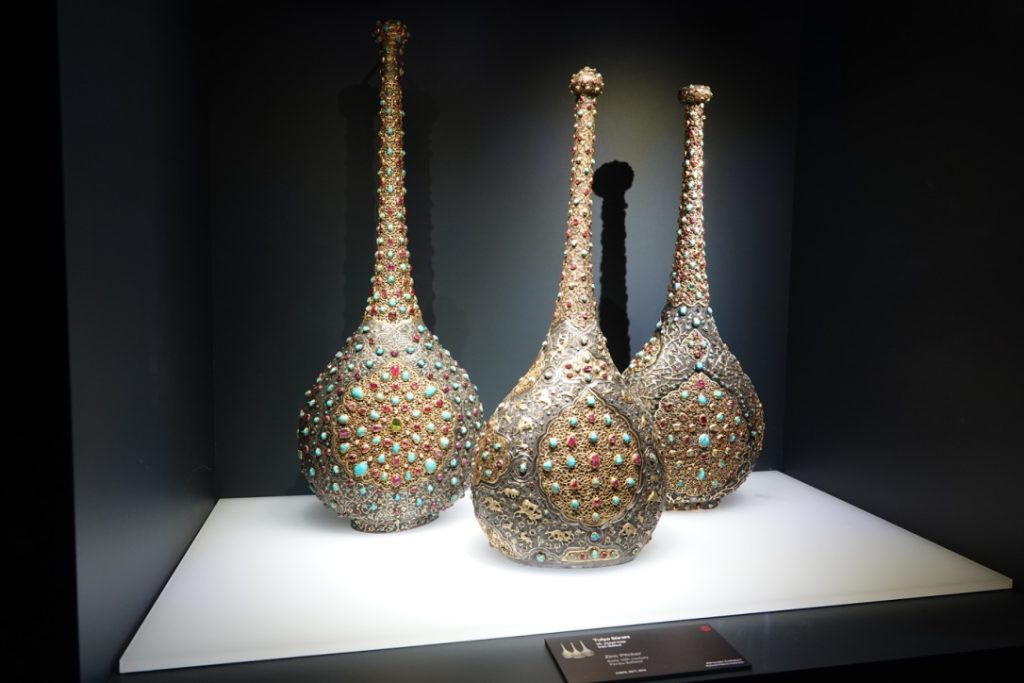
Children will be amazed by the treasures on display: gem-encrusted weapons, sparkling jewelry, and royal court costumes. Adults, meanwhile, can’t help but imagine life behind these walls, with political intrigue and imperial grandeur.
le Palais TopkapiPremière cour du Palais TopkapiTroisième cour du Palais Topkapile Palais Topkapile Palais TopkapiPoignard Topkapile harem du Palais Topkapi
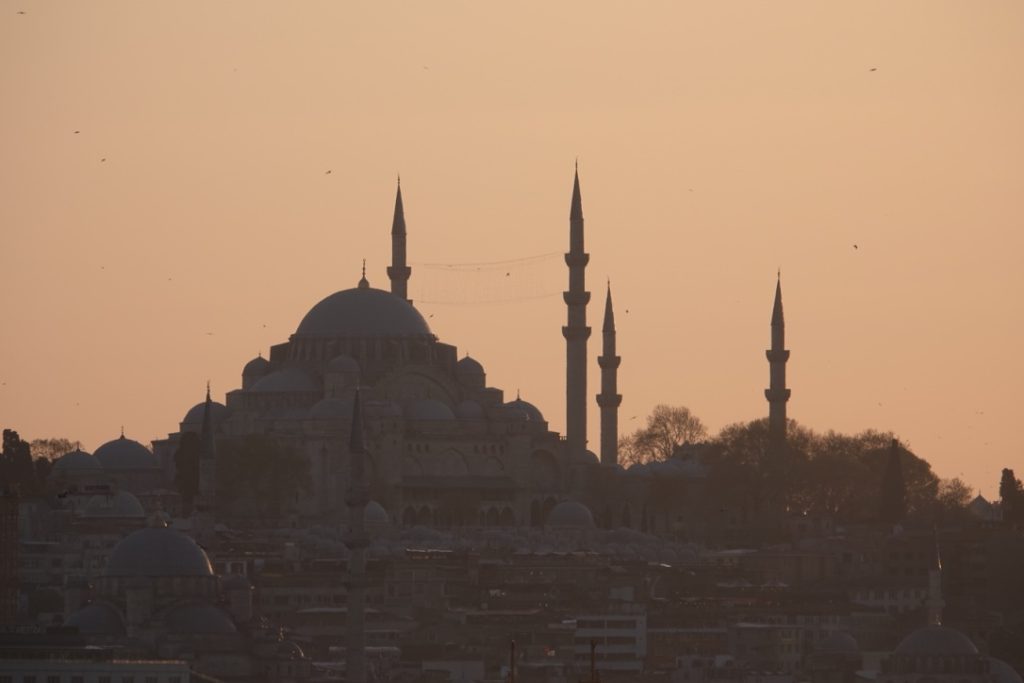
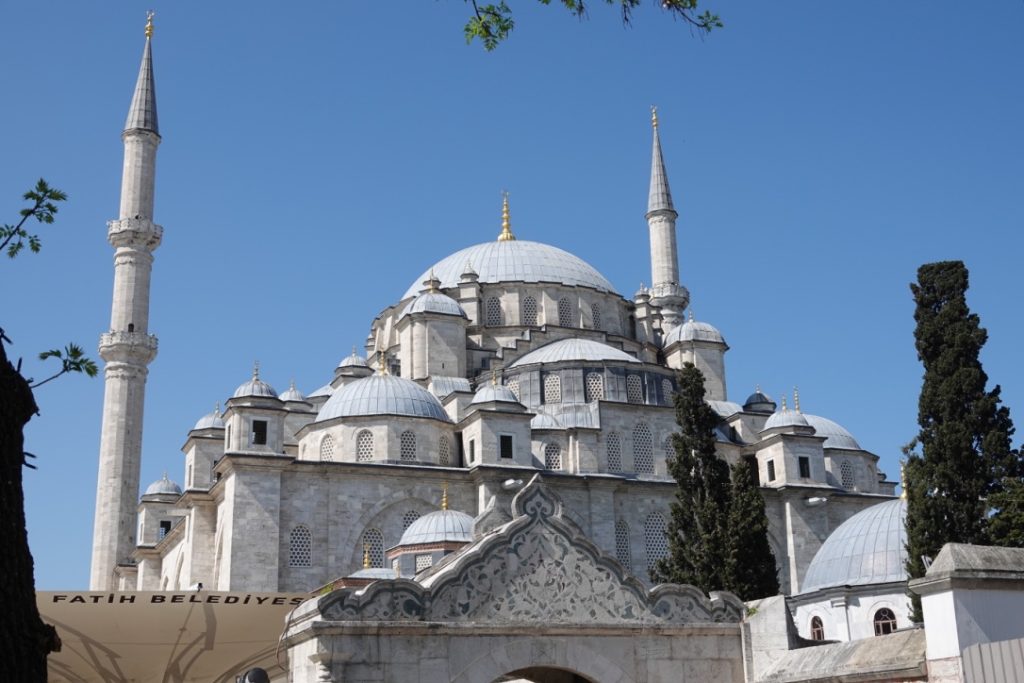
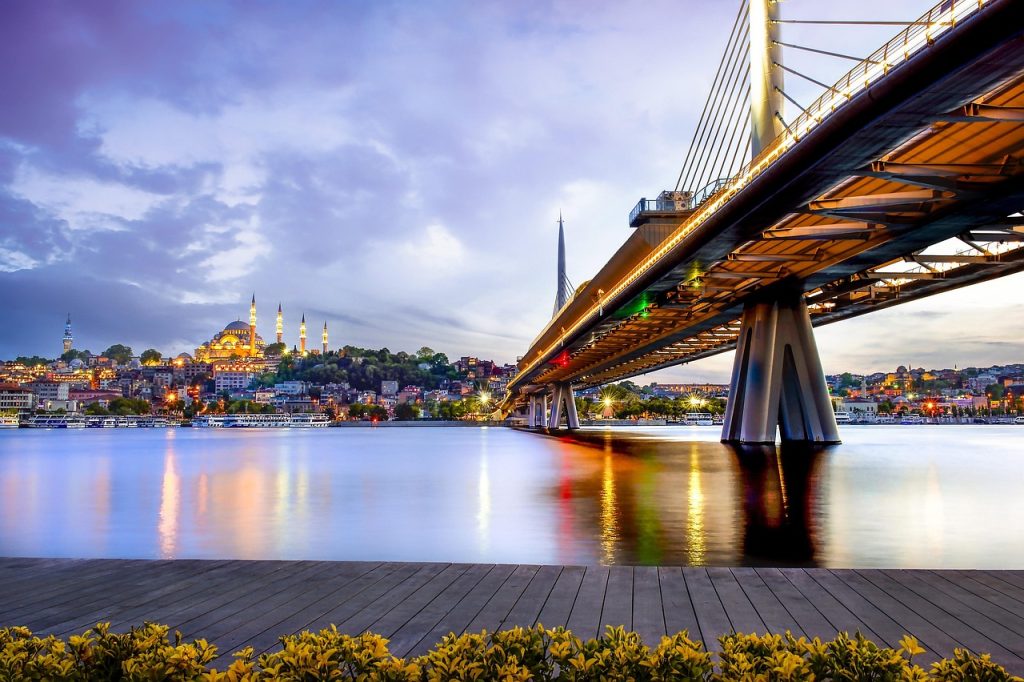
A bit further, you might also fall for the magnificent Süleymaniye Mosque. Overlooking the Golden Horn, it is one of architect Mimar Sinan’s masterpieces. Built in the 16th century, it impresses with its understated elegance and perfect proportions. Less crowded than the Blue Mosque, it offers a peaceful atmosphere and splendid views of Istanbul and the Bosphorus. You will also see the tomb of Suleiman the Magnificent! A grand yet calming place, ideal for understanding the power and spirituality of the Ottoman Empire.
La Mosquée de Soliman le Magnifique
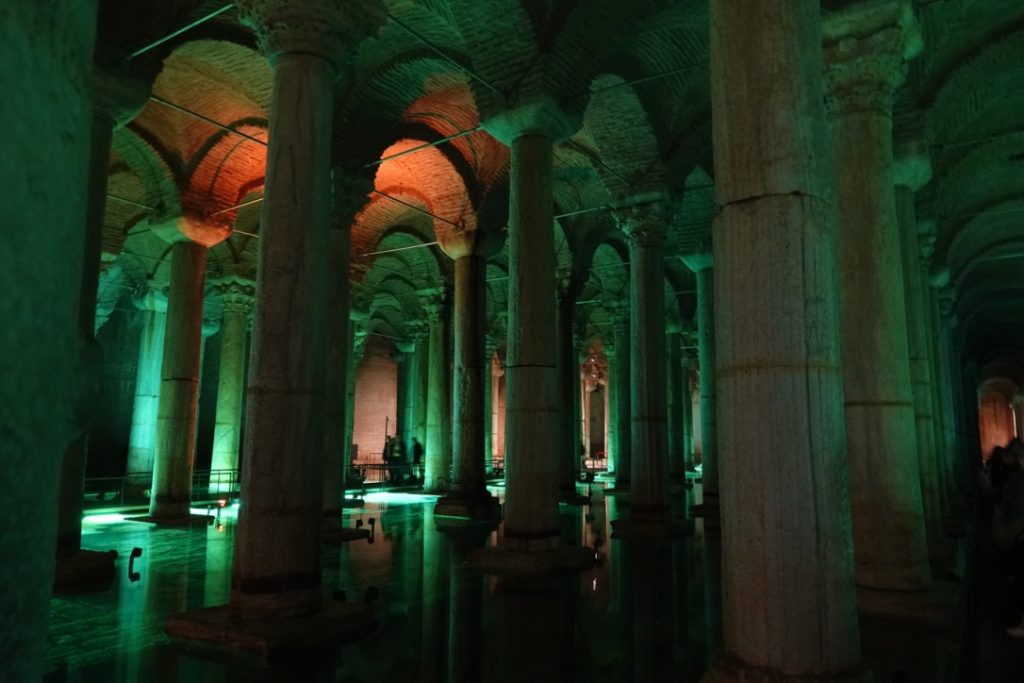
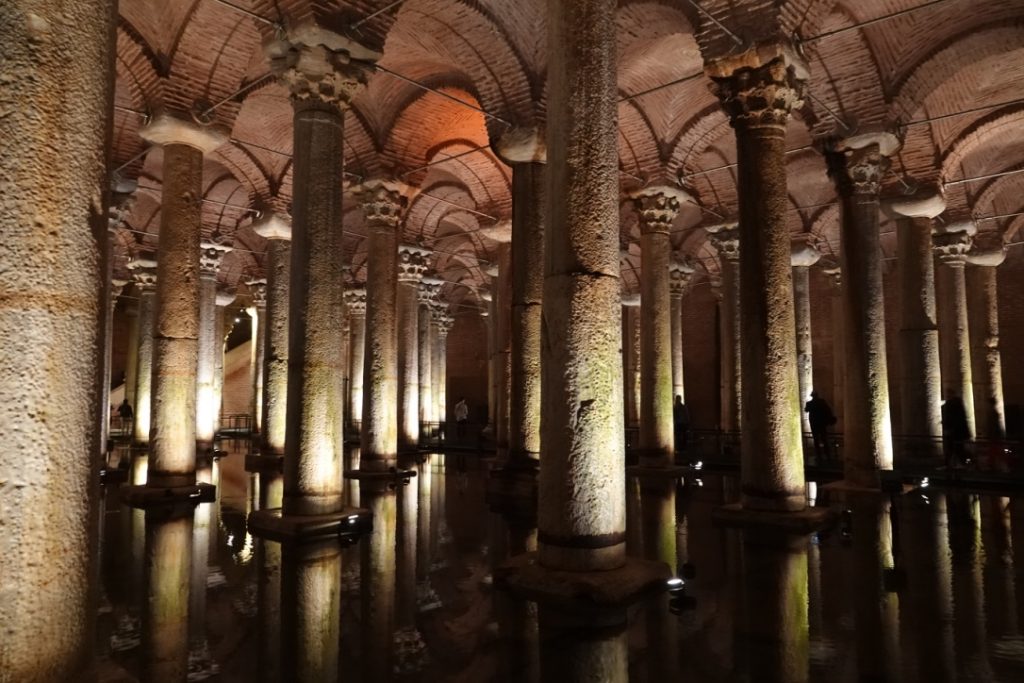
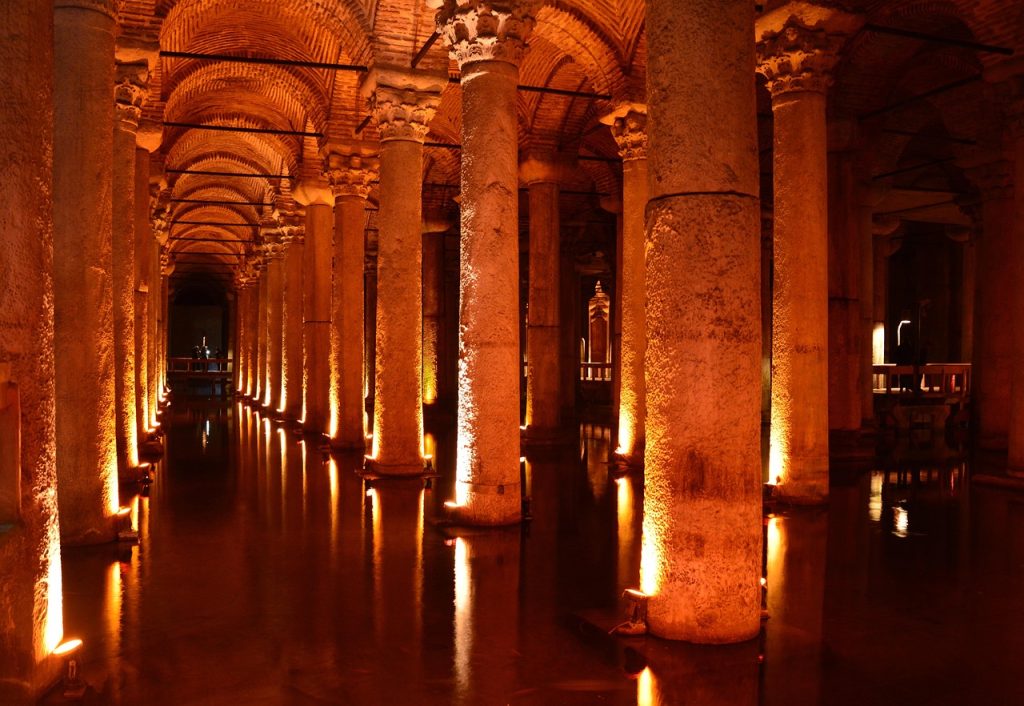
Still in Sultanahmet, don’t miss the Basilica Cistern, a true submerged palace. Built in the 6th century under Emperor Justinian, this huge underground cistern once supplied the imperial palace with water.
With its hundreds of columns lit in the dimness, mysterious reflections, and the famous Medusa heads, the visit is both enchanting and playful. It captivates both adults and children, and in summer, the coolness of the space is particularly appreciated.
La Citerne BasiliqueLa Citerne BasiliqueLa Citerne Basilique
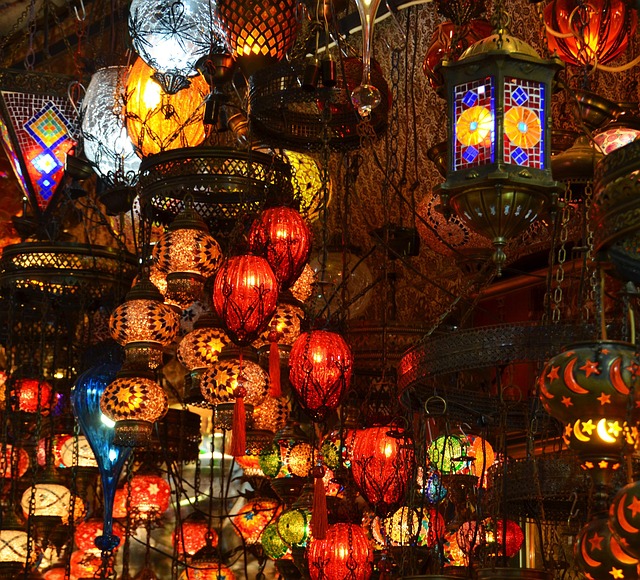
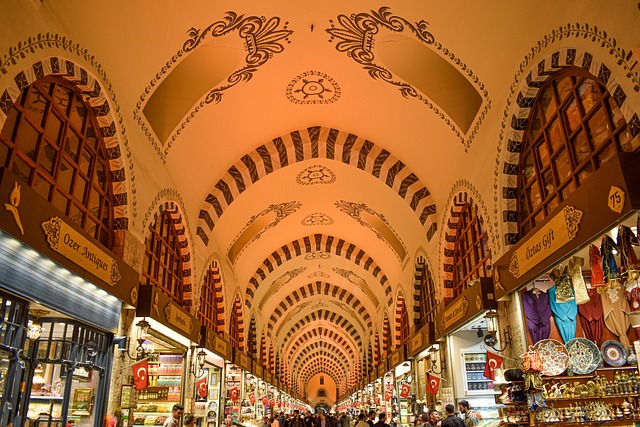
Finally, you cannot leave without strolling through the Grand Bazaar, one of the oldest and largest covered markets in the world. With over 4,000 shops, it feels like a small city within a city.
Under its colorful vaulted ceilings, wander among handwoven carpets, Ottoman ceramics, sparkling jewelry, and intoxicating spices. Each alley tells a story, each merchant shares a smile or anecdote. It’s the perfect place to practice bargaining and soak in Istanbul’s centuries-old commercial spirit.
👉 Practical tip: The bazaar can be very crowded, especially around midday. For a more relaxed experience, arrive in the morning when shops open. Note that it is closed on Sundays.
La Mosquée Neuve
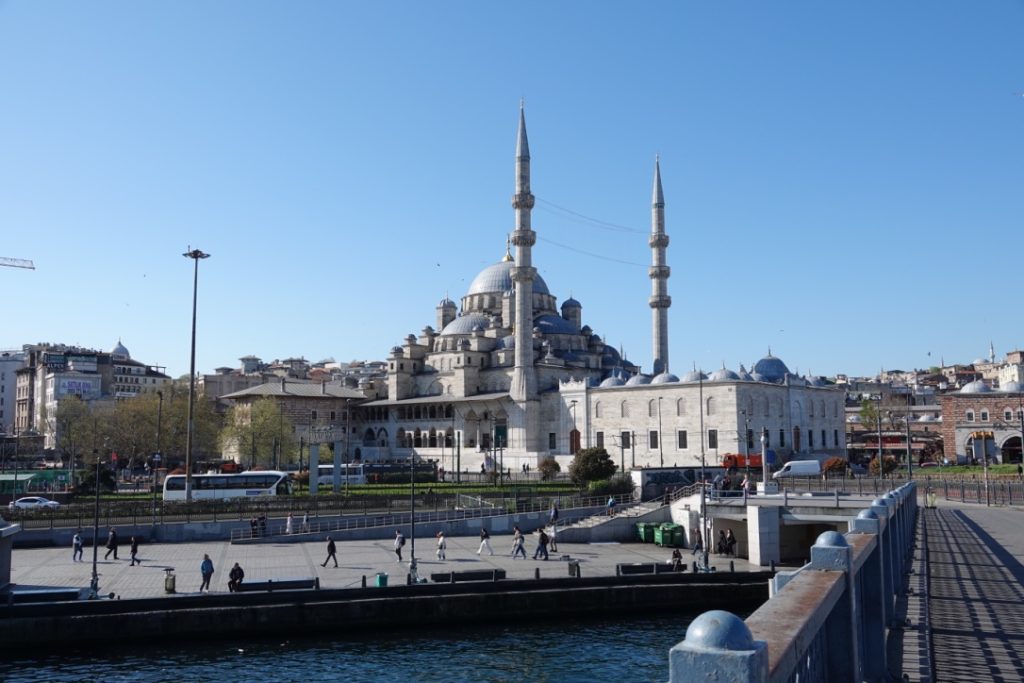
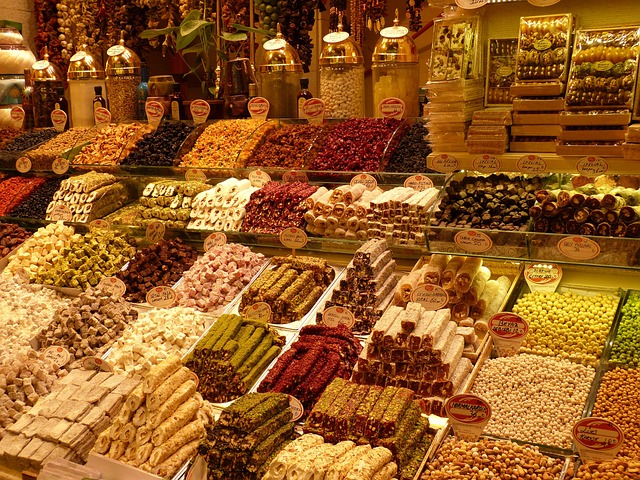
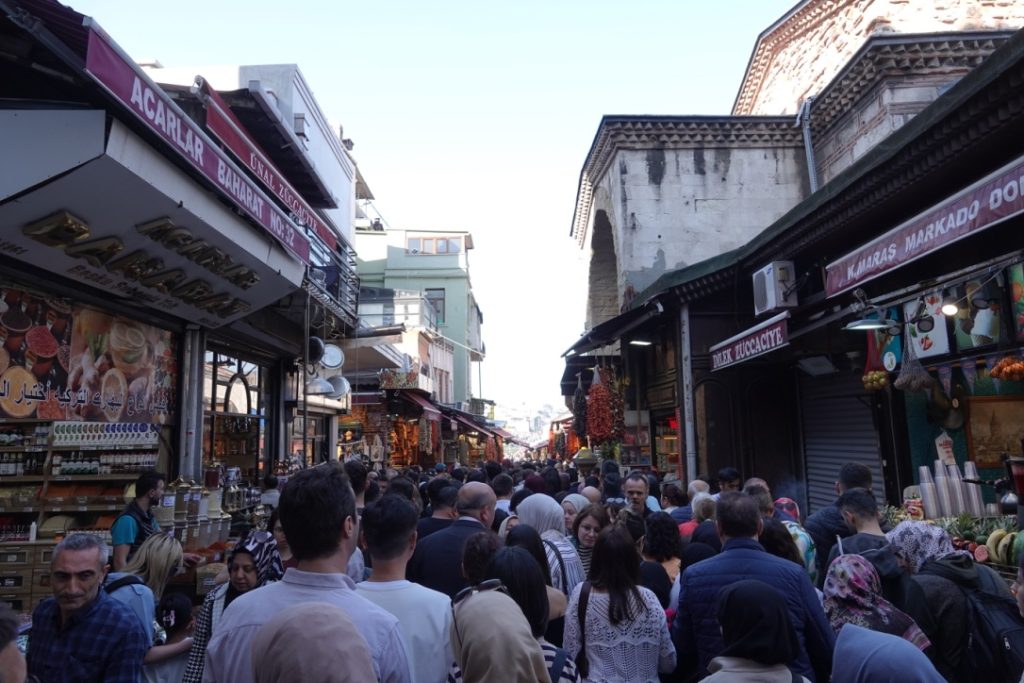
Nearby in Eminönü, the New Mosque overlooks the Egyptian Bazaar, where each step immerses visitors in a world of spices, teas, and oriental sweets. The Egyptian Bazaar focuses more on gastronomy: the heady aroma of cinnamon and saffron, piles of Turkish delight, and dried fruit stalls provide a true culinary and visual adventure for both adults and children.
As vendors call out and ferries rock gently while waiting to cross the Bosphorus, seagulls cry above the rooftops.
Bazar egyptien Istanbul
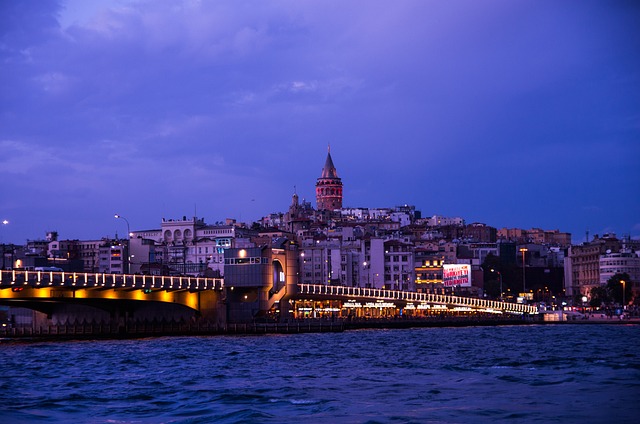
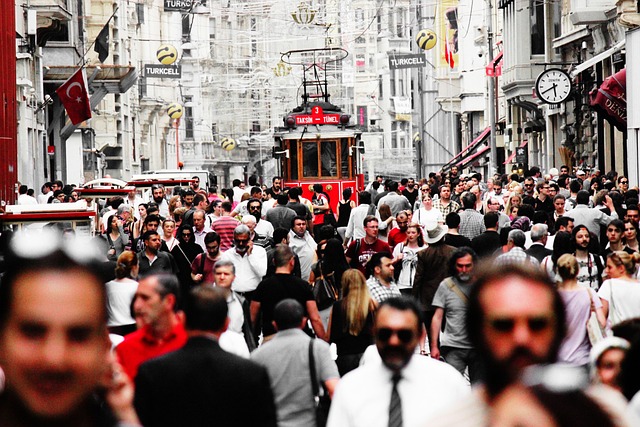
Crossing the bridge, you reach Beyoğlu. The scene changes: Istiklal Street pulses with pedestrians, street performers, and café terraces. Look up at the Galata Tower, watching over the city for hundreds of years. Once a Genoese watchtower, it now offers one of the city’s best viewpoints. After climbing its floors (or taking the elevator), you reach a circular terrace with 360° views of the Golden Horn, the Bosphorus, and Istanbul’s rooftops.ts d’Istanbul.
As night falls, bars and restaurants light up, transforming the district into a lively hub.
Beyoglu et Tour GalataBeyoglu et la rue IstiklalBeyoglu et Tour Galata
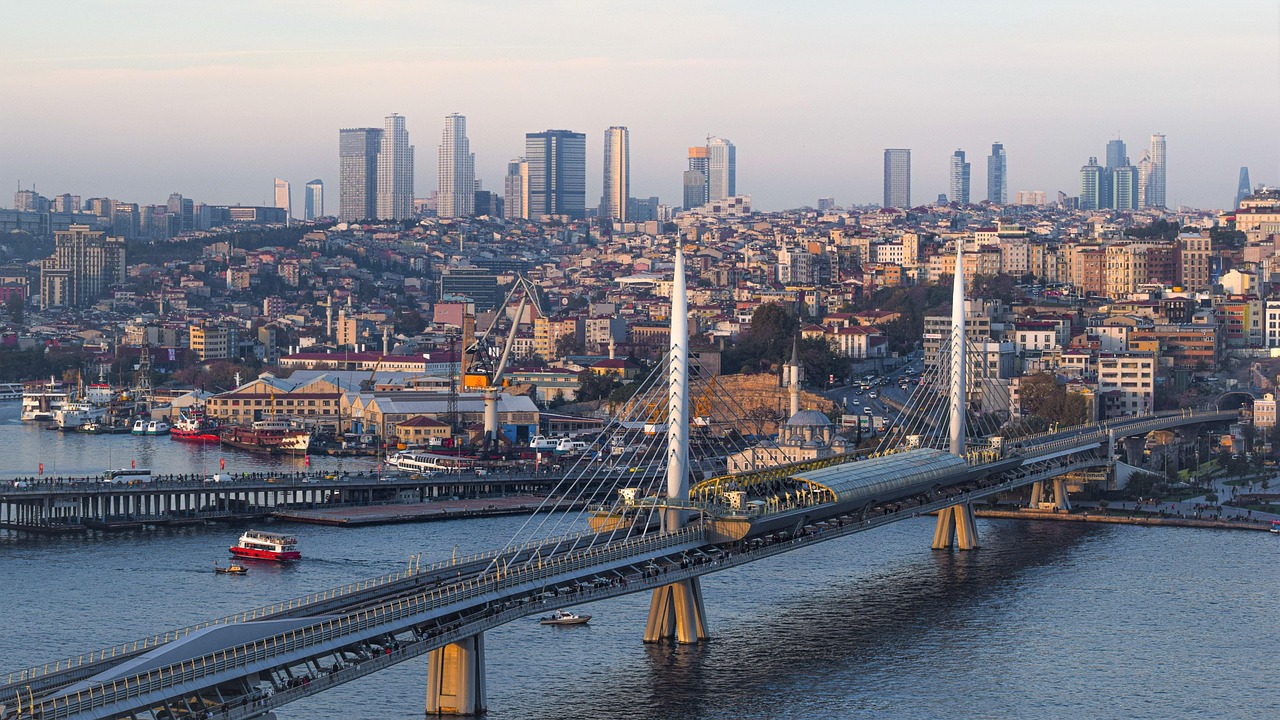
Further downstream, the shores of Beşiktaş and Ortaköy offer a different spectacle. Laughter echoes from terraces, Ortaköy Mosque reflects in the Bosphorus, and illuminated boats glide peacefully. It’s perhaps the best place to watch the sunset behind the suspension bridges.
Asian side, modernity
After taking the ferry, a different atmosphere awaits on Istanbul’s Asian side. First, Kadıköy’s markets overflow with fruits, fish, and flowers. Relax in a bohemian café, watch street performers, and soak up the laid-back charm of this lively neighborhood.
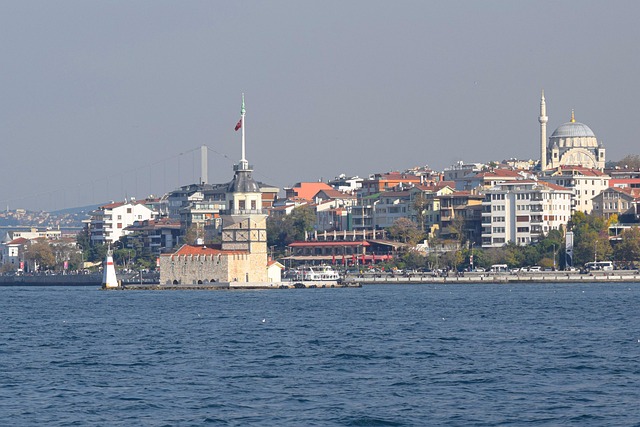
The pace slows in Üsküdar. Mosques reflect in the water, families gather on the waterfront at dusk, and time seems to stand still. Istanbul’s Asian side offers a striking contrast to the bustling European shore.
Bosphorus Cruise: between two continents
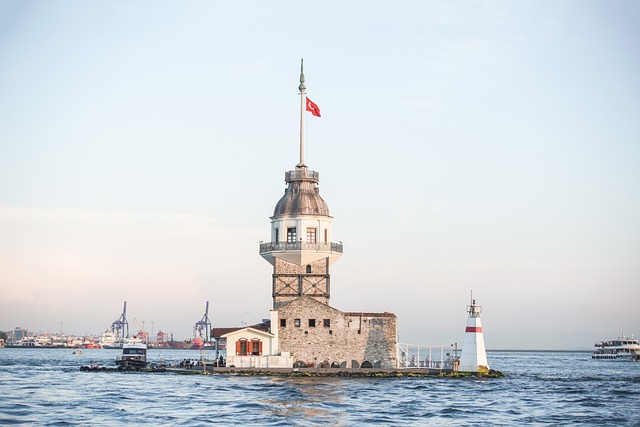
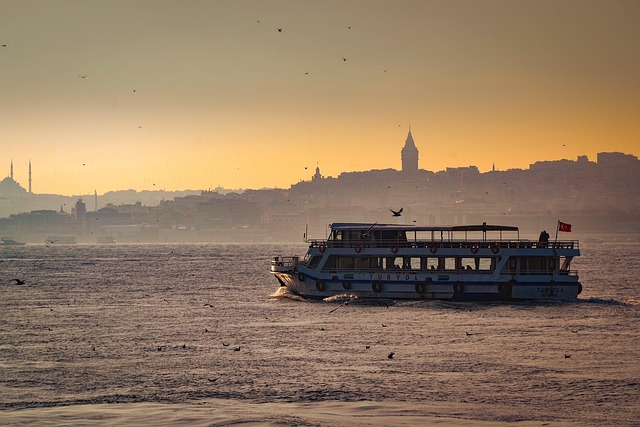
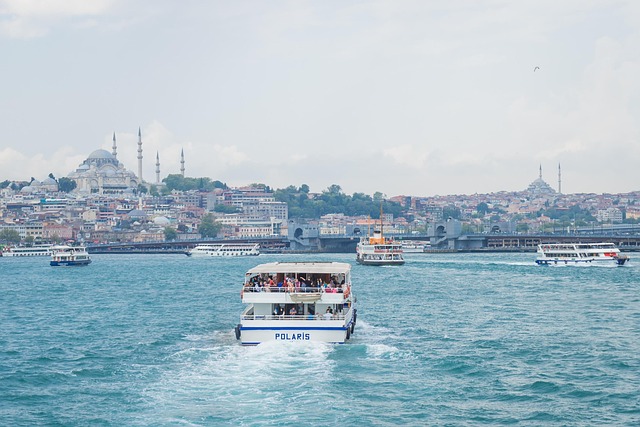
A Bosphorus cruise perfectly illustrates Istanbul’s magic. On the boat, the wind brushes your face while your eyes wander between the two shores. Europe to the left, Asia to the right. Along the strait, you see palaces, mosques reflecting on the water, and huge suspension bridges connecting the continents. The fresh breeze, the cries of seagulls, and the sunset lights create an unforgettable memory. For our family, this cruise was one of the highlights of the trip—both fun and magical.
We chose a guided sunset cruise of about two hours, with snacks and non-alcoholic drinks served on board.
Istanbul is also beautiful in its simplicity. While trams, metros, and ferries make it easy to get around, the best way to discover the city is on foot. Choose your neighborhood according to your interests: Sultanahmet for history, Beyoğlu for its modern and dynamic atmosphere.
Spring and autumn offer the perfect weather and fewer crowds.
👉 Note: If you travel during Ramadan, some restaurants or cafés may adjust their hours, especially in traditional districts. However, Istanbul remains a cosmopolitan metropolis: most establishments stay open, and evenings become lively after the iftar meal. It’s also a great opportunity to experience a different aspect of local culture. Shortly afterward, the city celebrates Şeker Bayramı (Sugar Feast or Eid al-Fitr) over 2–3 days. The streets are full of families, sweets are offered, and there is increased traffic at transport hubs and tourist sites. We experienced this festive event as a family and loved being part of it!
We chose not to get the Istanbul Pass since we hadn’t planned many paid visits. However, for museum and monument enthusiasts, it may be worth purchasing.
In conclusion, when wondering what to do in Istanbul, you quickly realize it’s not just about exploring the city—it’s about experiencing it fully. Every district, market, and building tells a living story. Here, East meets West, tradition meets modernity, and every visitor takes home unforgettable memories.
Whether traveling with family, as a couple, or with friends, Istanbul promises more than a trip: a sensory, cultural, and human adventure.
So, let yourself be carried away by its energy, get lost in its streets, and marvel at its contrasts…
Croisière Bosphore
Looking for a gateway?
Enjoy an extraordinary journey
Did this article about Istanbul make you dream?
Contact me! I’m here to help, advise, and guide you in creating a tailor-made trip that reflects your style.